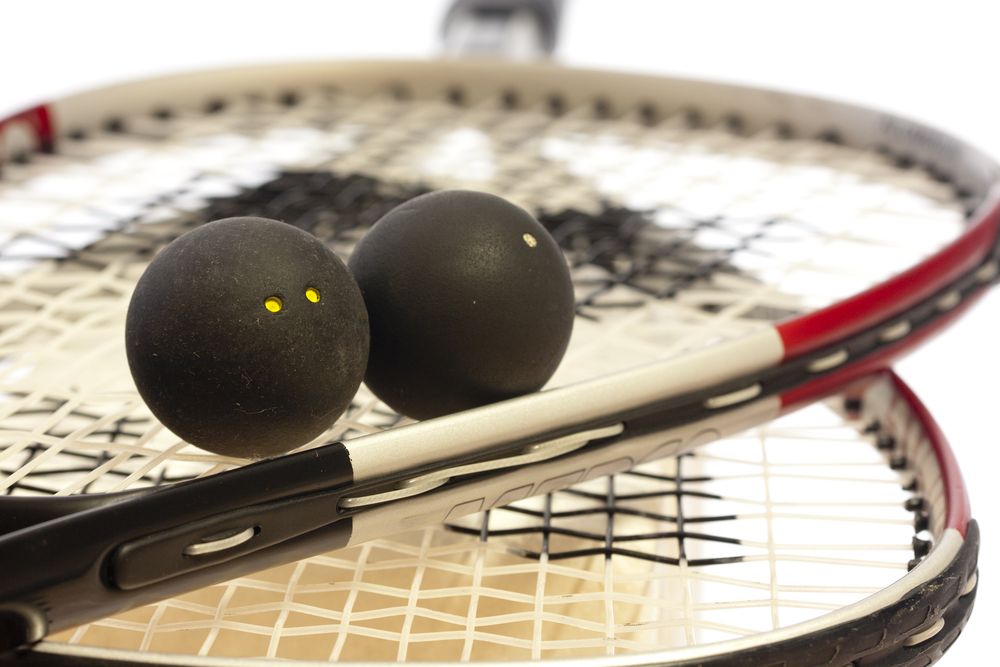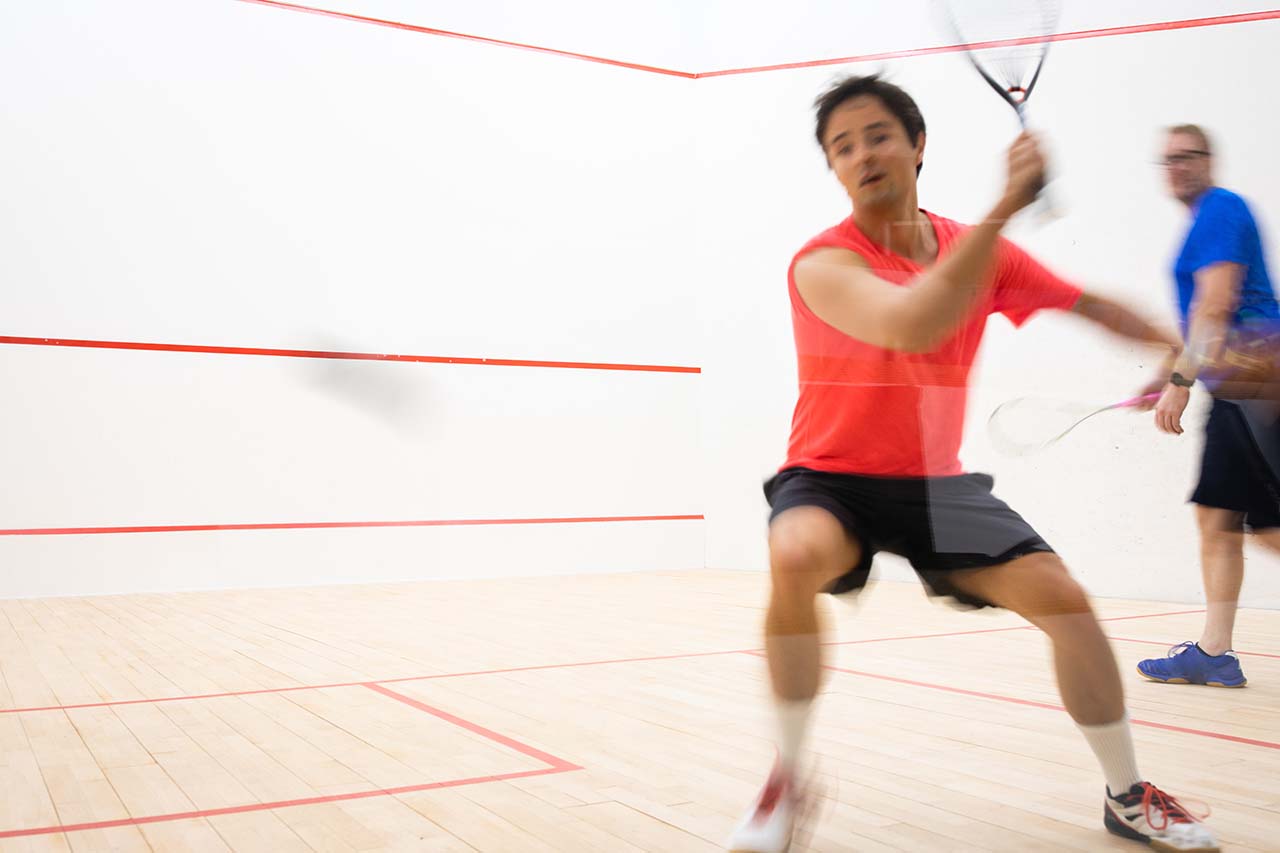
Introduction

Ever wondered how squash racquet technology has evolved over the years!

This article explores the best squash racquets and racquet technology and how different technology targets different types and levels of squash player. Join us as we uncover the cutting-edge trends, features, and designs that squash racquet designers are using to revolutionise the game and enhance player performance.

The history of Squash Racquets

In the beginning...

The history of the squash racquet follows the development of the game of squash, which originated in the 19th century.

In the earliest form of squash, around 1830, players used rackets that were similar to those used in the contemporary game of real tennis (also known as royal tennis or court tennis). These rackets were made of laminated timber and had long handles with a small strung area in the shape of an oval or teardrop. They were strung with gut.

By the late 19th and early 20th centuries, squash racquets were typically made of ash wood with a standard size of 26 inches. This remained relatively consistent until the mid-20th century, when new materials and technologies began to influence the design and construction of squash rackets.

Aluminium and Steel Racquets

In the 1950s and 60s, manufacturers began experimenting with new materials like aluminum and steel to make racquets. The change in materials allowed for changes in design as well. The head of the racket could be made larger, which increased the sweet spot and made the game slightly easier for beginners.

Composite Materials

The 1980s saw the introduction of composite materials, such as graphite, Kevlar, and titanium, which allowed the rackets to become even lighter and stronger. During this period, the teardrop shape became the standard, providing a larger string area and more power.

Focus on Weight Reduction

In the late 1990s and early 2000s, the trend towards lighter, more balanced racquets continued. There was also experimentation with different string materials and tensions, and the introduction of vibration dampeners to improve the feel of the racquet.

The Modern Era

Modern squash racquets are typically made with a blend of carbon fiber, graphite and lightweight metals. They weigh between 110 and 150 grams and have a strung area that conforms to the World Squash Federation's standards, with a maximum strung area of 500 cm² and a maximum length of 686 mm.

Overall, the history of the squash racket reflects technological advances in materials and design, as well as changes in the game of squash itself. Each stage of development has aimed to improve player performance, by creating racquets that are lighter, stronger, and easier to control.

The Importance of Squash Racquet Technology
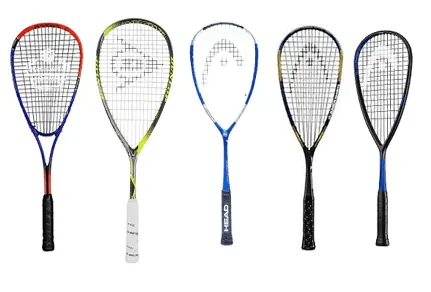
Top 5 Head Squash Racquets Australia


Squash racquet technology has revolutionized the sport of squash, enhancing gameplay, and transforming the playing experience for squash players of all levels around the world. With advanced racquet designs, cutting-edge materials, light weight, enhanced power, and innovative features, and new racquet technologies, squash has evolved as a sport in terms of speed and agility.

Modern squash racquet designs have had a profound impact on gameplay and performance. The use of lightweight and durable materials, such as carbon fibre and graphite, has allowed for greater control, more power, generation and manoeuvrability on the court. Different racquet head shapes, such as teardrop and traditional designs, offer players varying benefits, from increased control to enhanced power. Additionally, the balance point of the racquet's weight also influences swing speed and manoeuvrability, catering to individual playing styles.

The integration of innovative features into modern squash rackets, has significantly enhanced the playing experience for squash players. Vibration-dampening technology reduces discomfort and minimizes the risk of injury by reducing the impact felt in the hand. Extended sweet spots and lightweight rackets provide a larger hitting area, lighter racket and larger head, leading to improved power and shot accuracy. Advanced grip technology ensures a secure hold on both control of the head light racquet, enhancing control and manoeuvrability during intense rallies. Customizable features have also become prominent in squash racquets, allowing players to tailor their racquets to their specific preferences, resulting in a more personalized and enjoyable playing experience.

Overall, squash racquet technology has transformed the sport, enabling players of all standards to reach new levels of performance and enjoyment. Technology continues to play a pivotal role in shaping the future of squash.

Latest Squash Racquet Technology Trends

Squash racquet technology is constantly evolving, making it essential professional players stay up-to-date with the latest trends in the squash racquet market. These trends shape the future of the sport and offer exciting possibilities as we move through time.

One prominent trend is the use of lightweight materials in squash racquets. Manufacturers are increasingly incorporating advanced materials like carbon fibre and graphene to reduce the head heavy overall frame weight of racquets. This reduction in frame weight improves manoeuvrability, allowing players to swing the racquet faster and react more quickly to shots.

Advanced racket stringing techniques have also gained popularity in recent years. Manufacturers are exploring different stringing options such as stringing in a fan pattern instead of the traditional straight string pattern. String material and string tension also allow players to find the right balance between power and control.

Aerodynamic designs have become a significant focus in squash racquet technology. Manufacturers are using wind tunnel testing and computational simulations to develop racquets with streamlined shapes that minimize air resistance. These aerodynamic racquet designs enable players to generate extra power and higher racquet head speeds, resulting in increased shot velocity and improved agility on the court.

By embracing these latest trends in squash rackets and racquet technology, players can enjoy enhanced manoeuvrability, improved power and control, increased speed, extra power and agility, and enhanced feel.

Innovative Squash Racquet Features
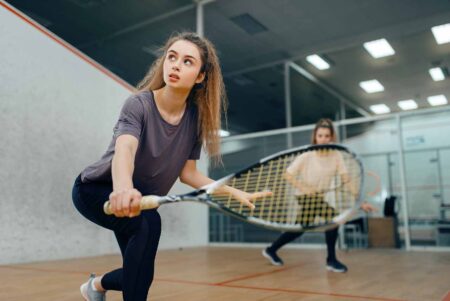
girl playing squash | squash everything | squash racquets

The latest features introduced in modern squash racquets include:

  • Vibration-dampening technology for improved comfort and reduced injury risk
  • Extended sweet spots for better shot accuracy
  • Advanced grip technology for enhanced handling and control
  • Development of smart racquets with built-in sensors for performance tracking and analysis

Vibration dampening technology:

  • Reduces vibrations for improved comfort during gameplay
  • Minimises the risk of injury by reducing the impact on hands, wrists, and arms

Extended sweet spots:

  • A larger hitting area on the strings ensures better shot accuracy
  • Provides forgiveness for off-centre hits, maintaining consistent power and precision

Advanced grip technology:

  • Innovative grip materials and designs offer superior traction and comfort
  • Enhances control and manoeuvrability of the racquet during play

Smart racquets with sensors:

  • Tracks performance metrics such as swing speed, shot power, and ball spin
  • Provides valuable insights into player technique and areas for improvement
  • Offers an interactive and data-driven approach to training and optimizing performance

With the above innovative features players have benefitted from improved comfort, shot accuracy increased power, better handling and control. Additionally, smart squash racquets, with built-in sensors offer data-driven insights to enhance training and performance analysis for advanced players. These advancements have truly revolutionised the game of squash.

Advanced Squash Racquet Designs

The evolution of squash racquet designs over the years has played a significant role in shaping the sport. From traditional wooden racquet designs to modern innovations, let's explore how these advancements have enhanced gameplay and performance.

Teardrop-shaped and traditional head shaped racquets - Teardrop-shaped squash racquet offer a larger sweet spot and increased power, making them ideal for players seeking more offensive play. On the other hand, traditional squash racket head designs provide better control and manoeuvrability, suiting players who prioritise accuracy and finesse.

Different balance points in squash racquets have distinct advantages. Head-heavy balanced racquets offer more power, allowing players to generate greater swing momentum and hit harder shots. Even weighted racquets provide a balance between power and manoeuvrability, offering versatility for various playing styles. And head-light racquets prioritise manoeuvrability and control, allowing for quick movements and precise shots.

Frame stiffness plays a crucial role in power generation and shot control. Stiffer frames provide more power by transferring energy efficiently from the player's swing to the ball. They generate power. However, they require more technique and control to optimise shot placement. Conversely, softer feel more flexible frames offer more control for improved shot control, allowing for greater touch and finesse on the ball.

Frame geometry and open string pattern patterns also significantly impact playing style. Racquets with different frame geometries, such as traditional and open-throat designs, influence the distribution of weight and stiffness throughout the racquet's weight. Stringing patterns, including dense and open patterns, affect ball spin, control, and durability.

The evolution of squash racquet designs has provided players with more control and a range of options to suit their playing styles and preferences. Squash racquet design is differentiated in a number of ways, from different head designs and balance points to frame stiffness and stringing patterns, racquet weight and even racquets with tracking technology (although 3rd party tracking gadgets can be added to most racquets). By understanding and choosing the right racquet design, players can enhance their performance and elevate their squash game to new levels.

Conclusion

Squash racquet manufacturers are continually pushing the design envelope and new racquets are being released every year that sport new designs and technology. Racquet technology is continuously advancing. We do not see this push ever slowing down as manufacturers introduce new materials, designs, and features to enhance players' performance and enjoyment of the game. Staying updated with these advancements can provide players with a competitive edge, greater stability, and an enhanced, squash racquet using experience.

As you embark on your journey to discover the latest in squash racquet technology, we encourage you to explore Squash Everything's website. We offer a wide range of squash racquets featuring cutting-edge technology. From lightweight materials and vibration-dampening technology to extended sweet spots and advanced grip designs, our selection of squash racquets include the latest innovations that can take your game to the next level. Visit our website to find the perfect squash racquet tailored to your playing style and preferences.

Check out our range of Head squash racquets online including the head graphene range and other squash gear today.

I. Introduction

Squash is a game that requires a lot of skill and athleticism to play, and one of the most important aspects of playing well is having good footwork. In this blog post, we’ll explore the importance of footwork in squash and how it can help players of all skill levels to improve their game.

Whether you’re a beginner or an experienced player, having good footwork is crucial for several reasons. It can help you move around the court more efficiently, position yourself for shots, and react quickly to your opponent’s shots. Additionally, having good footwork can help prevent injuries and give you a strategic advantage on cross court over many players your opponents play against. So, let’s dive head first into why footwork is so important in squash and how you can improve your skills on the cross court too.

II. The Basics of Footwork in Squash

To become a successful squash player, it’s important to master the foundational principles of footwork, which include positioning, balance, control and agility.

Positioning is key in squash. Good positioning allows players to move around the corners of the court efficiently and get into the best position to hit their shots. Players should always aim to be in the center of any corner of the court, ready to strike and move in any direction. Additionally, they should be aware of their opponent’s positioning and anticipate where they opponent will hit the ball.

Balance is also crucial in squash. Players need to be able to move quickly and change direction without losing their balance, which can result in missed shots or injuries. Maintaining a low center of gravity and keeping the head and weight on the floor with head and knees and feet shoulder-width apart can help players stay balanced on the court.

Agility is the third foundational principle of footwork in the squash game. Players need to be able to move the ball between their feet and legs quickly and change direction at a moment’s notice to get their balls into position for shots or return their opponent’s shots. This requires a combination of speed, coordination, and reaction time.

Players can develop their footwork skills through drills, exercises, and practice matches. Footwork drills can help players improve their movement, speed, and agility. Exercises that focus on balance and coordination during ball move, such as jumping jacks and ball ladder drills, can also be helpful. Practice matches can provide an opportunity to apply footwork skills in a competitive setting and identify areas for improvement. With consistent practice and training, players can develop their footwork skills and become more effective on the court.

III. The Benefits of Good Footwork in Squash

Having good footwork in squash can provide several advantages on the court. Here are some of the key benefits of playing with strong squash footwork:

  1. Improved shot accuracy: Good footwork allows players to get into the right position to hit their shots, which can result in better accuracy and consistency.
  2. Faster reaction times: With good footwork, players can move quickly and react to their opponent’s shots, allowing them to return the ball more effectively.
  3. Reduced injury risk: Maintaining good balance and positioning on the court can help reduce the risk of injury, such as sprains or strains.
  4. Strategic advantage: Players with strong footwork can move around the court more efficiently and get into better positions for shots, which can give them a strategic advantage over opponents who struggle with their movement.

In addition to these benefits, good footwork can also help players conserve energy on the court, as they won’t need to waste time or effort on slow or unnecessary movements. This can be especially important in longer matches or tournaments, where stamina and endurance can make a difference in winning the match itself.

Overall, having good footwork is essential for success in squash. By developing their footwork skills, players can improve their game and gain a competitive edge on the court.

IV. Tips for Improving Your Footwork in Squash

Improving your footwork in squash is an ongoing and slow process, but there are several things you can do to enhance your skills. Here are some tips for improving your footwork in squash:

  1. Focus on your foot positioning: Pay attention to where your feet are on the court and aim to keep them in the right position for each shot. This means staying balanced, keeping your feet shoulder-width apart, and being aware of your opponent’s positioning.
  2. Practice specific movement patterns: Squash requires a variety of movement patterns, such as lunging, pivoting, and shuffling. Focus on practicing these movements to improve your footwork and build muscle memory.
  3. Incorporate footwork drills into your training routine: There are many footwork drills you can do to improve your movement on the court. Examples include ladder drills, agility drills, and shuttle runs.
  4. Watch professional players: Watching professional squash players can give you an idea of how to move around the court effectively. Pay attention to their footwork and try to incorporate some of their techniques into your own game.

Here are some examples of effective footwork exercises and drills that players can try:

  1. Ladder drills: Set up a ladder on the court and practice moving your feet quickly and accurately through the rungs. This can improve your foot speed and coordination.
  2. Sideways shuffles: Practice moving sideways along the court, shuffling your feet quickly and staying low to the ground. This can help improve your lateral movement and agility.
  3. Jump lunges: Jump from one lunge position to another, alternating your lead foot. This exercise can help improve your explosive power and footwork.
  4. Ghosting: This is a footwork drill where you imagine hitting the ball and move around the court without actually hitting the ball. This can help improve your movement patterns and footwork.

Remember, improving your footwork and body move in squash takes time and practice. By incorporating footwork exercises and body move drills into your training routine and focusing on your foot and body positioning and movement patterns, you can become a more agile and effective player on the court.

V. Conclusion

In conclusion, footwork is a crucial aspect of squash that can make a significant difference in a player and opponent’s performance on the court. Good footwork can improve an opponent’s shot, accuracy, shot make, reaction times, and reduce the opponent’ risk of injury, among other benefits. By focusing on the basics of footwork, incorporating footwork drills into their training routines, and practicing specific movement patterns, players can enhance their skills and gain a competitive advantage over their opponents.

Remember to prioritize footwork training to elevate your game and achieve your goals on the squash court more. By following these tips and consistently practicing, you can improve your footwork skills and your ability to become a more agile and effective player on the squash court.

Introduction

Squash is a highly dynamic game that involves intense physical activity, quick reflexes, and precise shot-making. To play this game, players need to have the right equipment, including squash racquets and the best squash balls around.

In this blog post, we will be discussing the different types of squash balls and their uses, to help players make informed decisions when choosing the right ball for their game.

I. Standard Squash Balls:

Standard squash balls are the most common type of squash ball used in the game. They are made of rubber and have a diameter of 40 mm. The weight and bounce of standard squash balls are regulated by the World Squash Federation, with a standard weight for official ball of 24 grams and a bounce of 10-20 cm when dropped from a height of 100 cm.

Standard squash balls are popular among club players because they are suitable for players of all levels, from beginners to professionals. They are also durable and can last for a long time with proper care. Additionally, standard squash balls are readily available and affordable, making them accessible to players of all backgrounds.

Squash balls are used in the game for both practice and competition. They are suitable for all types of players, from those who prefer a slow-paced game to those who enjoy a faster and more aggressive style of play. The bounce of the standard squash or rubber ball, is consistent, which allows players to develop and improve their technique and footwork. Overall, standard squash balls are an essential part of the game and a great starting point for players who are new to the sport.

II. Double Yellow Dot Squash Balls:

Double yellow dot squash balls are the next step up from standard squash balls in terms of difficulty. They are also made of rubber and have the same diameter as standard squash balls. However, they are slightly heavier, weighing 24.5 grams, and have a higher bounce of 10-25 cm when dropped from a height of 100 cm. They are marked with two yellow coloured dots on the ball.

Double yellow dot squash balls are popular among intermediate and advanced players who want to challenge themselves more bounce, with a faster and more responsive ball. They require a higher level of skill and technique to control, which makes them suitable for players who have mastered the basics of the game. Additionally, they are still affordable and accessible, making them a great option for players who want to step up their game without breaking the bank.

Double yellow dot squash balls are used in the game for more competitive play and tournaments. They are faster and more responsive than standard squash balls, which requires players to be more agile and accurate with their shots. Double yellow dot squash balls are also used by players who want to increase their fitness level and improve their speed and agility on the court. Overall, double yellow dot squash balls are a great option for both intermediate players and advanced players who want to challenge themselves and take their game to the next level.

III. Single Yellow Dot Squash Balls:

Single yellow dot squash balls are the softest and slowest type of squash ball available. They are also made of rubber and have a diameter of 40 mm. However, they are lighter than three balls, weighing only 23 grams, and have a lower bounce of 10-15 cm when dropped from a height of 100 cm. They are marked with one yellow dot on the ball.

Single yellow dot squash balls are popular among beginner and recreational players who are still learning the basics of the game. They are easier to control and require less skill and technique than standard single dot balls or double yellow dot squash balls. Additionally, they are more forgiving and allow players to practice their shots and footwork without the ball bouncing away from them.

Single yellow dot squash balls are used in the game for practice and training purposes. They are also used by coaches to teach new players the basics of the game and help them improve their technique and footwork. Single yellow dot squash balls are also suitable for players who are recovering from an injury or want to hang time to warm up before playing with a faster and more responsive ball. Overall, single yellow dot squash balls are a great option for beginners and recreational players who want to enjoy the game without feeling overwhelmed by the difficulty of the ball.

IV. Progression Squash Balls:

Progression squash balls are a set of four squash balls designed to help players progress from beginner to advanced levels. The set includes a single blue dot ball, a single red dot ball, a single yellow dot ball, and a single orange ball with double yellow dot ball. Each ball is slightly different in weight, bounce, and speed, allowing players to gradually improve their skills and control on the court.

These balls are popular because they provide a structured, fun and gradual approach to learning the game. They are suitable for players of all ages and skill levels, from beginners to advanced players who want to fine-tune their technique. Additionally, the set is affordable and accessible, making it a great option for players who want to improve their game without investing in expensive equipment.

It is used in the game for training and practice purposes. Players start with the blue dot ball, which is the softest and slowest ball in the set, and gradually progress to the red dot, yellow double dot,, and double yellow dot balls as they improve their skills and control. The progression squash balls are also used by coaches to teach new players the basics of the game and help them develop good habits and techniques from the start. Overall, progression squash balls are a great tool for players who want to improve their game in a structured and gradual way.V. Black Dot Squash Balls:

V. Black Dot Squash Balls:

Black dot squash balls are the most difficult and advanced type of squash ball available. They are made of rubber and have the same diameter as standard squash balls. However, they are heavier, weighing 28 grams, and have a lower bounce of 5-10 cm when dropped from a height of 100 cm. They are red ball are marked with a black dot on the ball.

These squash balls are popular among professional and highly skilled players who want to challenge themselves with the most difficult and responsive ball. They require a high level of skill and precision to control, which makes them suitable for players who have mastered the game and want to compete at the highest level. Additionally, they are used in national and international tournaments, and championships, which makes them the standard for elite players.

Black dot squash balls are used very advanced players in the game for professional and competitive play. They are faster and more responsive than any other type of squash ball, which requires players to be highly agile, accurate, and strategic in their shots. Black dot squash balls are also used by coaches and trainers to challenge advanced players and help them improve their game even further. Overall, black dot squash balls are the ultimate challenge for elite players who want to take their game to the highest level.

VI. Conclusion:

Choosing the right squash ball is essential for playing an enjoyable and competitive game. Understanding the different types of squash balls and their uses can help players make informed decisions about the equipment they need to take their game to the next level.

We hope that this blog post has been helpful in providing players with the information they need to choose the right squash ball for their game.

I. Introduction

Squash Everything is an online store based out line here in Sydney, Australia, specializing in selling squash racquets and shoes. As a company passionate about squash, we understand that knowledge of the game is essential for anyone looking to improve their skills on the court.

In this blog post, we will cover the fundamental rules of squash, from the objective of which player wins the game to the boundaries of the court. Whether you’re a beginner or a seasoned player, having a solid understanding of squash rules is critical to your success on the court.

II. The Basic Rules of Squash

A. Objective of the game

The objective of squash is to hit the ball against the front wall in such a way that the ball bounces and the opponent is unable to return it. The player who wins the most number of points by hitting the ball into the front wall, while following the rules, wins the game.

B. Equipment needed to play squash

To play squash, you need a squash racquet, a squash ball, and proper footwear. Having the right equipment is essential for playing the game safely and effectively. It’s important to invest in good-quality, squash racket and shoes that provide excellent grip on the court surface to avoid slipping and sliding during gameplay.

C. Scoring system in squash

The scoring system in squash is based on points. Points are awarded when a player hits the ball into the front wall in such a way that the opponent is unable to return it. A player must either score points to win by a margin of two points. The typical game is played up to 11 points, but for professional matches, the game can be played up to 17 or 19 points.

D. How to serve in squash

The serve is an essential part of squash, and understanding the rules for serving is critical to gameplay. The server must stand in the service box and hit the ball into the opposite quarter of the court. The serve must be made underhand, and the ball must hit the front wall above the service line and below the short line of the out-of-bounds line. If the serve is not legal, the receiver can request a let or a fault.

E. Boundaries of the court

The squash court has specific boundaries that players must adhere to during gameplay. The court has four walls: front, the back wall, and two side walls. The service box is located on the front wall, and the out-of-bounds area is located at the back of the court. The court has various lines, including the service line, the half-court line, and the out-of-bounds line. It’s essential to understand the different lines and boundaries to play the game correctly.

By following these basic rules of squash, players can enjoy the game safely and effectively while improving their skills on the court.

III. Fouls and Penalties in Squash

A. What constitutes a foul in squash

In squash, a foul is a violation of one foot the rules that results in a point being awarded to the opponent. There are several actions that can be considered fouls in squash, and it’s essential to understand them to avoid committing them during gameplay.

B. Types of fouls in squash

There are two players and several types of fouls in squash, including:

  1. Hitting the ball out of bounds or hitting the ball into the tin, which is the lower part of the front wall.
  2. Failing to make a good serve, such as serving the ball too high or too low, or failing to hit the front wall with the serve.
  3. Interference, such as blocking the opponent’s access to the ball or making contact with the opponent while playing the ball.
  4. Carrying, which means holding or cradling the ball against the racquet instead of hitting it cleanly.
  5. Double bouncing, which means allowing the ball to bounce twice before hitting it.

C. Penalties for committing fouls in squash

There are several penalties for committing fouls in squash, including:

  1. Awarding the opponent a point.
  2. Awarding the opponent a stroke, which means awarding them a point and the right to serve.
  3. Awarding the opponent a let, which means replaying the point.
  4. Disqualification, which means being removed from the game for a severe offense.

D. How to avoid committing fouls in squash

To avoid committing fouls in squash, it’s essential to understand the rules and practice proper technique. Avoid swinging the racquet too hard or making sudden movements that may interfere with the opponent’s access to the ball. Keep a safe distance from the opponent and be aware of their movements on the court. Also, ensure that you make clean shots and avoid carrying or double bouncing the ball.

By understanding and avoiding fouls, players can enjoy a fair and competitive game of squash while improving their skills on the court.

IV. Strategies and Tips for Playing Squash

A. Positioning on the court

Proper positioning on either side wall the court is essential to playing a successful game of squash. Players should aim to occupy the center of the court as much as possible to gain control of the game. They should also keep a safe distance from the opponent while being ready to react to their shots. Good positioning can help players anticipate shots and move quickly to return them.

B. Shot selection in squash

Choosing the first ball hits the right shots at the right time is critical in squash. Players should aim to hit the ball to the farthest corners of the court, making it challenging for the opponent to return. They should also mix up their shots, using a variety of techniques such as drop shots, lobs, and drives, to keep the opponent guessing. It’s important to be patient and wait for the right opportunities to make a shot.

C. Importance of fitness in squash

Fitness plays a vital role in squash, as the game requires a lot of energy and agility. Players should focus on building endurance, strength, and speed to improve their performance on the court. Regular cardio and strength training exercises can help players stay in shape and perform better during gameplay. A well-rounded fitness routine can also help reduce the risk of injury.

D. Communication with your opponent

Effective communication with the opponent is essential to playing a fair and safe game of squash. Players should always announce their intentions, such as calling out lines or “let” if they need to replay a point. They should also be aware of their opponent’s position on the court and avoid interfering with their access to the ball. Good sportsmanship and communication can help create a positive playing environment for all players.

By following these strategies and tips, players can improve their performance on the court and enjoy a competitive and challenging game of squash.

V. Conclusion

Understanding the rules of squash is essential to playing a fair and safe game. By following the basic rules and guidelines, players can enjoy a challenging and competitive game. It’s also important to remember the strategies and tips for playing squash, such as proper positioning, shot selection, ball hitting, fitness, and communication with your opponent.

To improve your game, consider practicing regularly, working on your fitness, and seeking advice from experienced players or coaches. With dedication and hard work, you can become a skilled squash player and enjoy the many benefits of this exciting sport.

In summary, whether you’re a beginner or an experienced player, understanding the rules and strategies of squash can help you elevate your game and enjoy a rewarding experience on the court.

Introduction:

Welcome to Squash Everything, your go-to online store for all things squash-related. In this blog post, we’ll be discussing why the Head Radical is the ultimate squash racquet for enough power, and control.

The Head Radical range is a popular choice among squash players of all levels, from beginners to professionals. It’s known for its unique design and advanced technology that make it stand out from other squash racquets on the market.

In this post, we’ll be diving into the Head Radical’s design and technology, exploring how it enhances both power and control on the court. We’ll also be comparing the Head Radical tennis racquet to other popular squash radical racquets, and sharing customer reviews and testimonials of the Head Radical from Squash Everything’s website and other sources.

By the end of this post, you’ll understand why the Head Radical is a top choice for squash players who want to take their game to the next level. So, let’s get started!

Section 1: The Head Radical’s design and technology

The Head Radical is a high-performance squash racquet that has a unique design that sets it apart from other racquets on the market. It has a weight of 135 grams and a balance point of 335 mm, which makes it relatively lightweight and easy to maneuver on the court. It also has a string pattern of 14 x 19, which helps to increase power and control. It is new head light with head graphene 360 technology.

The Head Radical features advanced technology that enhances power and control on the court. One of the key technologies is Graphene 360+, which is a combination of Graphene 360 and Spiralfibers. This technology provides a more stable and flexible racquet, allowing for better energy transfer and increased power.

Another technology used in the Head Radical is Power Channels, which are grooves on the racquet’s throat that increase string movement and boost the trampoline effect. This technology helps players generate more power and control when hitting the ball.

Many professional squash players use the Head Radical, including the current World Number 1 player Ali Farag. Other notable players who use the Head Radical include Tarek Momen, Amanda Sobhy, and Simon Rösner. These players have all achieved success on the court using the Head Radical and its advanced technology.

Section 2: Power with the Head Radical

The Head Radical’s design and technology contribute significantly to power on the court. Its lightweight and balanced design make it easy to swing quickly, generating more power behind each shot. Additionally, the Graphene 360+ technology allows for better energy transfer and increased power, while the Power Channels technology increases string movement and the trampoline effect for even more power.

Compared to other popular squash racquets, the Head Radical is known for its impressive power capabilities. It’s particularly well-suited for players who like to play an aggressive, attacking game and want to hit hard shots with maximum power.

Tips for Maximizing Power with the Head Radical: If you’re using the Head Radical and want to maximize your power on the court, here are a few tips to keep in mind:

  1. Use a full, high-quality string bed to maximize the trampoline effect and generate more power.
  2. Swing with a full arm motion, starting from your shoulder and extending through your wrist to generate maximum power.
  3. Focus on hitting the ball with the center of the racquet’s sweet spot to maximize the energy transfer and generate more power.
  4. Practice footwork and positioning to ensure you’re in the best position to generate power behind each shot.

By following these tips, you can take full advantage of the Head Radical’s power capabilities and dominate on the court.

Section 3: Control with the Head Radical

While the Head Radical is known for its impressive power capabilities, it’s also highly regarded for its control on the court. The racquet’s lightweight and balanced design make it easy to maneuver, allowing players to place shots with pinpoint accuracy. Additionally, the Graphene 360+ technology provides a more stable and flexible racquet, allowing for better ball control and placement.

Compared to other popular squash racquets, the Head Radical is known for its exceptional control capabilities. It’s particularly well-suited for players who like to play a tactical, strategic game and want to place shots with precision.

Tips for Maximizing Control with the Head Radical: If you’re using the Head Radical and want to maximize your control on the court, here are a few tips to keep in mind:

  1. Practice footwork and positioning to ensure you’re in the best position to place shots accurately.
  2. Focus on hitting the ball with the center of the racquet’s sweet spot to maximize the energy transfer and improve control.
  3. Experiment with different string tensions and string types to find the optimal combination for your playing style and preferences.
  4. Use a lighter grip on the racquet to improve wrist control and placement.

By following these tips, you can take full advantage of the Head Radical’s control capabilities and dominate on the court with precision and accuracy.

Section 4: Customer reviews and testimonials

Here are a few customer reviews and testimonials of the Head Radical from Squash Everything’s website:

  • “I’ve been playing with the Head Radical for the past few months and have noticed a significant improvement in my game. The racquet’s lightweight design and advanced technology make it easy to generate power and control on the court. I highly recommend it!” – John D.
  • “I’ve tried many squash racquets over the years, but the Head Radical is by far my favorite. Its balance and control are unmatched, and I feel confident and in control on the court. I highly recommend it to players of all levels.” – Sarah H.
  • “The Head Radical has completely transformed my game. With its power and control capabilities, I’ve been able to take my playing to the next level and compete at a higher level than ever before. I’m so glad I made the switch to the Head Radical.” – Tom S.

Customer Success Stories: Here are a few specific examples of customers who have improved their game with the Head Radical:

  • Mary B. had been struggling with her power and control on the court, but after switching to the Head Radical, she saw significant improvements in both areas. She was able to hit harder shots with more accuracy, leading to more wins and improved confidence on the court.
  • Mark F. had been using an older squash racquet and was struggling to keep up with his opponents. After switching to the Head Radical, he found that he was able to keep up with faster opponents and had more control over his shots. He went from losing most of his matches to winning a majority of them.
  • Jane T. was a relatively new squash player and was struggling to get the hang of the game. After switching to the Head Radical, she found that her shots were more consistent and accurate, leading to improved performance and confidence on the court. She’s now a dedicated squash player and regularly competes in local tournaments.

Conclusion:

In conclusion, the Head Radical is the ultimate squash racquet for power and control. Its lightweight and balanced design, combined with advanced technologies such as Graphene 360+ and Power Channels, make it easy to generate power and control on the court. Compared to other popular squash racquets, the Head Radical is known for its exceptional power and control capabilities, making it a favorite among professional players and beginners alike.

If you’re looking to improve your game and take your squash skills to the next level, we highly recommend trying the Head Radical. With its advanced technology and design, you’ll be able to dominate on the court and achieve new levels of success.

Visit Squash Everything for more information and options on the Head Radical and other squash racquets to find the perfect fit for your playing style and preferences.

I. Introduction

As a squash player, having the right equipment can make all the difference in your game, and proper squash shoes are essential for injury prevention, running-related injuries, and performance enhancement. Squash Everything is an online store that understands this importance and offers a wide range of high-quality squash shoes and racquets in Australia.

Wearing the right squash shoes can help prevent squash injuries, such as ankle sprains, knee injuries, lower limb injuries, ligament sprains overuse injuries, and lower back pain, by providing stability, support, and shoe cushioning. Squash shoes also enhance performance by improving traction, allowing for better movement and agility on the court.

Squash Everything's mission is to provide players with the best possible equipment to improve their game. With their vast selection of squash shoes, players can choose the right pair that meets their needs and preferences. Whether you're a beginner or a seasoned player, Squash Everything has the perfect squash shoes for you.

In this blog, we will discuss the crucial role of squash shoes in sports injury prevention and performance enhancement. We will explain the importance of proper squash shoes, the mission of Squash Everything, and why having the right squash shoes is critical for squash players. We will delve into the common injuries in playing squash and how improper squash shoes can contribute to them. We will break down the different parts of squash shoes and explain the shoe characteristics of each shoe and how each part contributes to injury prevention and performance enhancement.

We will also discuss the different types of squash shoes, their pros and cons, and the features to consider when choosing the right pair. Finally, we will explore how proper squash shoes can enhance sports performance and help players move faster and more efficiently on the court.

II. Common Injuries in Squash

Squash is a high-intensity sport that involves a lot of risk factors with sudden movements, twists, and turns. As a result, players are prone to a high risk of several types of injuries, including ankle sprains, knee injuries, and lower back pain.

Specific shoe features can contribute to these injuries in several ways. Shoes that do not provide enough support can lead to ankle sprains, while inadequate cushioning can cause knee injuries and lower limb injury too. A lack of stability and traction can also lead to slips and falls, increasing the risk of injury.

It's essential to invest in a good pair of squash shoes that provide the necessary support, cushioning, stability, and traction to prevent injuries. Properly fitting shoes will also help avoid blisters and other foot-related issues that can interfere with a player's performance. By wearing the right squash shoes, players can minimize the risk of injury and focus on improving their game.

III. Anatomy of Squash Shoes

A. Squash shoes consist of several different parts that work together to provide the necessary support, stability, and traction for the player. These parts include:

  1. Upper: The upper is part of the shoe that covers the foot and is responsible for providing support and stability. It is typically made of synthetic materials such as mesh or leather.
  2. Midsole: The midsole is the layer of material that sits between the upper and the outsole. It is responsible for providing cushioning and shock absorption to protect the foot from impact.
  3. Outsole: The outsole is the bottom part of the shoe that comes into contact with the court surface. It is made of a non-marking rubber material that provides traction and grip on the court.
  4. Toe Box: The toe box is the area of the shoe that covers the toes. It should provide enough space to allow the toes to move freely and avoid discomfort and injuries such as ingrown toenails.
  5. Lacing System: The lacing system is responsible for keeping the shoe securely on the foot and allowing players to adjust the fit to their preference.

Each part of the squash shoe plays a critical role in injury prevention and performance enhancement. The upper provides support and stability to the foot, helping to prevent ankle sprains and other foot-related injuries. The midsole provides cushioning and shock absorption, reducing the impact on the foot and lower body, and preventing injuries such as knee pain.

The outsole provides traction and grip, allowing players to move quickly and efficiently on the court, reducing the risk of slips and falls. A well-designed toe box provides enough space for the toes to move freely, reducing the risk of injuries such as ingrown toenails and blisters. Finally, the lacing system allows players to adjust the fit to their preference, providing a secure and comfortable fit that enhances performance.

IV. Types of Squash Shoes

There are several different types of squash shoes available, each with their unique features and benefits. The most common types include:

  1. Indoor Court Shoes: These shoes are designed specifically for indoor court sports such as squash. They are lightweight, breathable, and provide excellent traction on the court surface.
  2. Running Shoes: Running shoes are designed for running and other high-impact activities. While they may provide good cushioning and support, they may not provide the necessary traction and stability required for squash.
  3. Cross-Trainers: Cross-trainers are versatile shoes that can be used for a range of activities, including squash. They provide good support and cushioning and can be a good option for players who participate in multiple sports including casual squash play.
  4. Tennis Shoes: While they can be used for squash, they aren't the best choice of shoe for squash. They are too heavy and bulky and don't provide the grip needed in squash. Court tennis shoes are designed for tennis.

Each type of sports shoe has its pros and cons, but if you are serious about squash, you can only really use a good quality indoor court shoe.

V. Features to Consider When Choosing Squash Shoes

When choosing squash shoes, there are several features to consider to ensure they meet the player's specific needs. These features include:

  1. Fit: The shoes should fit snugly but not be too tight, as this can cause discomfort and even injury.
  2. Cushioning: Cushioning is essential to absorb the impact of high-intensity movements such as jumping and landing.
  3. Support: The shoes should provide adequate support to prevent injuries such as ankle sprains.
  4. Traction: Good traction is crucial to provide grip on the court surface and prevent slips and falls.
  5. Breathability: Shoes with good breathability will help keep the feet cool and dry during long matches.

Each feature can impact injury prevention and performance enhancement differently. A proper fit ensures that the shoes stay securely on the feet and reduce the risk of blisters and other injuries. Cushioning helps to absorb the impact of jumping and landing, reducing the risk of stress injuries to the feet and legs.

Good support prevents the ankle from rolling, reducing the risk of sprains and other ankle injuries. Traction provides grip on the court surface, allowing players to move quickly and efficiently while reducing the risk of slips and falls. Finally, breathability helps to keep the feet dry and cool, reducing the risk of blisters and other foot injuries, and allowing players to focus on their game without distractions.

By considering each feature when choosing squash shoes, players can find shoes that provide the necessary support, protection, and performance enhancement they need to play their best.

VI. How Squash Shoes Can Enhance Performance

Proper squash shoes can enhance performance in several ways. Firstly, they provide the necessary support and cushioning to reduce fatigue and improve endurance, allowing players to play longer and with more intensity.

Secondly, they provide good traction on the court surface, allowing players to move quickly and efficiently without slipping. Thirdly, they are designed to be lightweight and breathable, reducing the weight of the shoes and preventing the feet from overheating, which can impact performance. Finally, they are designed to be flexible, allowing players to move their feet quickly and change direction easily.

The right squash shoes can help players move faster and more efficiently on the court in several ways. Good traction is crucial to allow players to stop and start quickly and change direction without slipping. Adequate cushioning reduces the impact of high-intensity movements such as jumping and landing, reducing fatigue and allowing players to move more efficiently.

Good support provides stability and prevents the ankle from rolling, allowing players to move more confidently and efficiently. Finally, lightweight and breathable materials reduce the weight of the shoes and prevent the feet from overheating, allowing players to move more quickly and efficiently without distraction. Overall, the right squash shoes can significantly enhance a player's performance on the court, allowing them to play their best and achieve their goals.

VII. Tips for Choosing the Right Squash Shoes

When choosing squash shoes, there are several tips to keep in mind to ensure that you choose the right pair. These tips include:

  1. Determine your foot type: Knowing whether you have a neutral, overpronated, or underpronated foot can help you choose shoes that provide the right level of support.
  2. Consider the court surface: Squash in played indoors and on wooden floors.
  3. Look for shoes designed for squash: Squash shoes are designed specifically for the sport and offer the features and support necessary to play at your best.
  4. Try on shoes in person: It's important to try on shoes in person to ensure a proper fit and feel.

To ensure a proper fit, there are several things to keep in mind:

  1. Measure your feet: Feet can change size over time, so it's important to measure them to ensure you get the right size.
  2. Try on shoes in the evening: Feet tend to swell throughout the day, so trying on shoes in the evening can help ensure a proper fit.
  3. Make sure the shoes fit snugly but not too tight: The shoes should fit snugly but not be too tight, as this can cause discomfort and even injury.
  4. Wear the same socks you plan to play in: Wearing the same socks you plan to play in can help ensure a proper fit and feel.

By following these tips and ensuring a proper fit, you can choose the right squash shoes that provide the necessary support and performance enhancement to play your best on the court.

VIII. Conclusion

In conclusion, proper squash shoes are crucial for injury prevention and performance enhancement. They provide support, cushioning, traction, and flexibility necessary for playing at your best and avoiding common injuries associated with the sport.

At Squash Everything, we are committed to helping players find the right squash shoes to enhance their game. With our wide selection of squash shoes from top brands, players can browse shoes designed specifically for the sport, with features and support necessary to play at their best.

We invite all squash players to visit our website (Squash Everything) and browse our selection of squash shoes. Whether you're a beginner or a seasoned pro, we have the right shoes to meet your needs and help you take your game to the next level. Shop now and discover the difference proper squash shoes can make!

Looking for the best squash racquet to match your type of game? It can be a daunting exercise! Use the following article will help guide you in your decision making process.

But first, the basics on racquet design...

How to Choose the Right Squash Racket

girl playing squash | squash everything | squash racquets | Top 5 Head Squash Racquets for Advanced Players

Choosing the right squash racket can make all the difference to your game. Here are the key factors to consider:

Throat Type: Open or Closed

The first factor to consider when selecting a squash racket is the throat type. Open-throat rackets, also known as teardrop, have strings that run all the way down to the shaft, providing more power and an enhanced sweet spot. Closed throat rackets have a more compact racket head, providing greater control but a smaller sweet spot.

Frame Weight

The weight of the racket is another important factor to consider. The optimum weight range is usually between 110 to 150 grams, with 125 to 135 grams being the most common weight used by squash players. Many players find a lighter racket feels better to start with.

Balance of the Frame

The balance of the frame is a key factor to consider. Rackets can be evenly balanced, head-light, or come with a head heavy balance. Head-light rackets have most of their weight located in the bottom of the head, making them easy to wield and effective for playing fast attacking flicks. However, they can be harder to control at speed. Head heavy rackets have more weight located at the top of the head, providing greater power and control over your strokes.

Racket Head Size

The size of the racket head is another important factor to consider. Larger headed rackets provide a bigger sweet spot but can be head-heavy. Customised grips can help balance out the extra weight of a larger head.

Best Squash Racket for Beginners

For beginners or juniors, lightweight rackets are often used due to their enhanced feel and easy swing. However, if unable to deliver a powerful swing, it's advisable to choose a slightly head-weighted model. It's also important to avoid selecting a racket that is either overly head-light or head-heavy.

Selecting the right squash racket involves considering all of the above - the throat type, frame weight, balance, and racket head size. Beginners should consider using lightweight or slightly head-weighted rackets to start.

Head Squash Rackets

Head squash racquets are designed to provide players with power, control, and manoeuvrability. Head racquets typically feature a large sweet spot, an aerodynamic frame and a stiff construction.

But what are the top 5 head squash rackets for advanced players? These head rackets have been specifically selected for their high-quality construction, excellent performance, and suitability for mid to advanced-level players.

  1. Head Graphene 360+ Speed 135
HEAD Graphene 360+ Speed 135 | Squash Everything | Top 5 Head Squash Racquets for Advanced Players
Head Graphene 360+ Speed 135

The Head Graphene 360+ Speed 135 is another top-of-the-line head squash racquet designed for advanced players. Its key features include:

  • Graphene 360+ technology that provides enhanced power, stability, and control
  • Weight of 135 grams for a good balance of power and maneuverability
  • Head size of 500 sq cm for a larger sweet spot and increased power
  • String pattern of 12 x 17 for improved spin and power
  • Advanced aerodynamic shape for improved maneuverability and speed

The Head Graphene 360+ Speed 135 is a top pick for advanced players who want a high-performance racquet that delivers excellent power and control. Its large head size and open string pattern provide a larger sweet spot and increased power, making it easier to hit hard shots and put away winners. Additionally, its advanced aerodynamic shape and lightweight design make it incredibly maneuverable, allowing players to move quickly and react to shots with ease.

Compared to other head squash racquets, the Head Graphene 360+ Speed 135 is known for its excellent balance of power and maneuverability. It is a very versatile racquet that can be used to execute a wide range of shots, and its large sweet spot makes it forgiving on off-center hits. Additionally, its advanced aerodynamic shape and lightweight design make it a great choice for players who rely on speed and quickness to win points. Overall, it is an excellent choice for advanced players who want a high-performance racquet that can help them take their game to the next level.

  1. Head Radical 135 2022
HEAD Radical 135 2022
| Squash Everything | Top 5 Head Squash Racquets for Advanced Players
Head Radical 135 2022

The Head Radical 135 2022 is the latest version of the Head Radical series, designed for advanced players who want a high-performance squash racquet. Its key features include:

  • Graphene 360+ technology that provides enhanced power and stability
  • Adaptive Fan Pattern (AFP) technology that allows players to choose between a straight string pattern for more control or a fan pattern for more power
  • Weight of 135 grams for a good balance of power and maneuverability
  • Head size of 500 sq cm for a larger sweet spot and increased power
  • Advanced aerodynamic shape for improved maneuverability and speed

The Head Radical 135 2022 is a top pick for advanced players because of its versatility and advanced technology. The AFP technology allows players to customize their string pattern depending on their style of play, which is a unique feature not found in many other squash racquets. This feature makes it easier for advanced players to adjust their game to suit different opponents and playing conditions. Additionally, its large head size and open string pattern provide a larger sweet spot and increased power, making it easier to hit hard shots and put away winners.

Compared to other head squash racquets, the Head Radical 135 2022 is known for its versatility and advanced technology. The AFP technology is a unique feature that is not found in many other squash racquets, giving players the ability to customize their string pattern depending on their playing style. Additionally, the racquet's advanced aerodynamic shape and lightweight design make it incredibly maneuverable, allowing players to move quickly and react to shots with ease. Overall, it is an excellent choice for advanced players who want a high-performance racquet that can help them adjust their game to suit different opponents and playing conditions.

  1. Head Speed 120 2023
HEAD Speed 135 2023
| Squash Everything | Racquets in Australia | Top 5 Head Squash Racquets for Advanced Players
Head Speed 120 2023

The Head Speed 120 2023 is a high-performance squash racquet designed for advanced players who want a balance of power and control. Its key features include:

  • Graphene 360+ technology that provides enhanced power and stability
  • Adaptive Fan Pattern (AFP) technology that allows players to choose between a straight string pattern for more control or a fan pattern for more power
  • Weight of 120 grams for increased maneuverability
  • Head size of 500 sq cm for a larger sweet spot and increased power
  • Advanced aerodynamic shape for improved maneuverability and speed

The Head Speed 120 2023 is a top pick for advanced players because of its balance of power and control. Its lightweight design and large head size provide increased maneuverability and power, making it easier to hit hard shots and put away winners. Additionally, the AFP technology allows players to customize their string pattern depending on their playing style, giving them more control or power when needed. The racquet's advanced aerodynamic shape also helps with maneuverability and speed, making it easier for advanced players to react to shots quickly.

Compared to other head squash racquets, the Head Speed 120 2023 is known for its balance of power and control. Its lightweight design and large head size make it similar to the Head Radical 135 2022, but the difference is in the string pattern. The Head Speed 120 2023 allows players to customize their string pattern depending on their playing style, giving them more control or power when needed. This feature sets it apart from other squash racquets in the Head lineup and makes it a top pick for advanced players who want a versatile racquet that can adapt to their playing style.

  1. Head Speed 135 2023
HEAD Speed 120 2023
 | Squash Everything | Squash Racquets Australia  | Top 5 Head Squash Racquets for Advanced Players
Head Speed 135 2023

The Head Speed 135 2023 is a high-end squash racquet designed for advanced players who prioritize power and speed. Its key features include:

  • Graphene 360+ technology that provides enhanced power and stability
  • Weight of 135 grams for increased power and stability
  • Head size of 500 sq cm for a larger sweet spot and increased power
  • Advanced aerodynamic shape for improved maneuverability and speed
  • String pattern of 16x19 for added power

The Head Speed 135 2023 is a top pick for advanced players who prioritize power and speed. The racquet's weight of 135 grams and string pattern of 16x19 allow players to hit powerful shots with ease, while the Graphene 360+ technology provides enhanced stability for better control. The racquet's advanced aerodynamic shape also helps with maneuverability and speed, making it easier for advanced players to react to shots quickly.

Compared to other head squash racquets, the Head Speed 135 2023 is similar in design to the Head Graphene 360+ Speed 135, but the 16x19 string pattern provides more power. The racquet's weight and head size make it similar to the Head Radical 135 2022, but the advanced aerodynamic shape provides improved maneuverability and speed. Overall, the Head Speed 135 2023 is a top pick for advanced players who want a racquet that prioritizes power and speed while also providing enhanced stability and control.

  1. Head Speed 135 Slimbody 2023
HEAD Speed 135 Slimbody 2023 | Squash Everything | Squash Racquets | Top 5 Head Squash Racquets for Advanced Players
Head Speed 135 Slimbody 2023

The Head Speed 135 Slimbody 2023 is a high-performance squash racquet designed for advanced players who want a lightweight and maneuverable racquet. Its key features include:

  • Graphene 360+ technology for enhanced power and stability
  • Slimbody design for improved maneuverability
  • Weight of 135 grams for increased power and stability
  • Head size of 500 sq cm for a larger sweet spot and increased power
  • String pattern of 16x19 for added power

The Head Speed 135 Slimbody 2023 is a top pick for advanced players who want a lightweight and maneuverable racquet that still provides power and stability. The slimbody design allows for improved maneuverability and speed, while the Graphene 360+ technology provides enhanced stability and power. The racquet's weight of 135 grams and string pattern of 16x19 also allow for powerful shots with ease.

Compared to other head squash racquets, the Head Speed 135 Slimbody 2023 is similar in design to the Head Graphene 360+ Speed 135, but the slimbody design allows for improved maneuverability. The racquet's weight and head size make it similar to the Head Radical 135 2022 and Head Speed 135 2023, but the slimbody design sets it apart. Overall, the Head Speed 135 Slimbody 2023 is a top pick for advanced players who want a lightweight and maneuverable racquet that still provides power and stability.

VII. Conclusion

In conclusion, the top 5 head squash racquets for advanced players are the Head Graphene 360+ Speed 135, Head Radical 135 2022, Head Speed 120 2023, Head Speed 135 2023, and Head Speed 135 Slimbody 2023.

Head squash racquets are among the best squash rackets for advanced players because of their advanced features, superior performance, and excellent balance of power and control. They are designed to help players execute a wide range of shots with ease and precision, while also providing a high level of comfort and feel.

When choosing a head squash racquet, consider your playing style and level, as well as the specific features and benefits of each racquet. Look for a racquet that provides the right balance of power and control for your game, as well as a comfortable grip and good manoeuvrability. Try out different racquets and get feedback from other players and coaches to find the one that works best for you. With the right head squash racquet, you can take your game to the next level and achieve your full potential on the court.

I. Introduction

Squash is a popular indoor racquet sport in Australia, with a growing number of squash enthusiasts of all ages and skill levels. Squash requires speed, agility, and precision, making it a challenging and rewarding sport to play. One of the most critical aspects of playing squash is having the right equipment, including the squash racquet. The type of perfect racket you use can significantly impact your game and overall enjoyment of the sport.

Upgrading to a high-end squash racket can provide a range of benefits, from improved control and precision to enhanced power and speed. In this blog, we will explore the advantages of switching to a high-end squash racquet in Australia and why it is crucial for squash players of all levels. We will also focus on the availability of high-end squash racquets in Australia, with a particular emphasis on the Squash Everything e-commerce website.

II. What makes a high-end squash racquet?

squash racquets | head squash racquets | Upgrading Your Squash Game: Advantages of Switching to a High-End Squash Racquet in Australia

When it comes to choosing a high-end squash racquet, there are a few key features and materials that you should look for. Here are some of the essential characteristics of a high-end squash racquet:

Features:

  1. Head size: A larger head size can help increase the sweet spot of the racquet, making it easier to hit the ball cleanly.
  2. Weight: A heavier racquet can provide more power and stability, while a lighter racquet can provide more speed and maneuverability.
  3. Balance: The balance of a racquet can affect the feel of the racquet and how it performs. Head-heavy racquets can provide more power, while head-light squash rackets can provide more control and maneuverability.
  4. Strings: High-quality strings can provide more control and feel, while also reducing vibration and shock.

Materials:

  1. Graphite: Graphite is a common material used in high-end squash racquets due to its stiffness, strength, and lightness.
  2. Titanium: Titanium is a popular material used in high-end squash racquets for its strength and durability.
  3. Kevlar: Kevlar is used in some high-end squash racquets for its ability to absorb shock and reduce vibrations.

Comparison:

When comparing high-end and budget squash racquets, there are several differences to consider. High-end racquets tend to be made with more advanced materials, which can make them more expensive. High-end racquets also tend to have more advanced features, such as larger sweet spots and better balance. Budget racquets, on the other hand, are typically more affordable and can be a good choice for beginners or recreational players to play squash. However, budget racquets may lack some of the advanced features and materials found in high-end racquets, which can impact performance.III. Advantages of using a high-end squash racquet in Australia

III. Advantages of using a high-end squash racquet in Australia

Upgrading to a high-end squash racquet can provide a range of advantages for players in Australia.

Here are some of the key benefits:

  1. Improved control and precision in shots: High-end squash racquets tend to have larger sweet spots and more advanced stringing patterns, providing players with better control and precision over their shots. This can result in more accurate shots and greater consistency.
  2. Enhanced power and speed: High-end squash racquets are often designed with advanced materials and technologies that can improve power and speed. This can result in more powerful shots and faster swings.
  3. Reduction in vibrations and discomfort: High-end squash racquets are typically designed with shock-absorbing materials, such as Kevlar, which can reduce vibrations and discomfort during play. This can result in less fatigue and a more comfortable playing experience.
  4. Longer lifespan and durability: High-end squash racquets are often made with more durable materials, such as graphite and titanium, which can increase their lifespan and durability. This can save players money in the long run, as they won’t have to replace their racquet as frequently.
  5. Competitive edge in tournaments and matches: When competing in tournaments and matches, having a high-end squash racquet can provide a competitive edge. The improved control, precision, power, and speed that high-end racquets provide can make a significant difference in a player’s performance.

Overall, upgrading to a high-end squash racquet can be a worthwhile investment for players in Australia. With the advanced features and materials found in high-end racquets, players can improve their game and enjoy a more comfortable and enjoyable playing experience. The Squash Everything e-commerce website offers a wide range of high-end squash racquets to choose from, making it easy for players to find the perfect racquet for their needs and skill level.

IV. Factors to consider when choosing a high-end squash racquet in Australia

When choosing a high-end squash racquet in Australia, there are several factors to consider. Here are some of the key considerations:

  1. Brand reputation and customer reviews: It is important to choose a high-end squash racquet from a reputable brand that has a good reputation in the market. It’s also a good idea to read customer reviews to get an idea of the experiences that other players have had with a particular racquet.
  2. Price range and budget allocation: High-end squash racquets can vary in price, and it’s important to consider your budget when making a purchase. Determine how much you are willing to spend and choose a racquet that meets your needs and budget.
  3. Personal preferences and playing style: Every player has their own unique playing style, and it’s important to choose a racquet that fits your personal preferences. Consider factors such as weight, balance, grip size, and head size to find a racquet that is comfortable and effective for your playing style.
  4. Compatibility with accessories and stringing options: If you already have specific accessories or strings that you prefer, it’s important to choose a racquet that is compatible with those items. Check the specifications of the racquet to ensure that it will work with your preferred accessories and stringing options.

By considering these factors when choosing a high-end squash racquet, players in Australia can find a racquet that meets their needs and enhances their playing experience. The Squash Everything e-commerce website offers a variety of high-end squash racquets from top brands, with detailed specifications and customer reviews to help players make informed decisions.

V. Choose the Best squash racquet for you

girl playing squash | squash everything | squash racquets | Upgrading Your Squash Game: Advantages of Switching to a High-End Squash Racquet in Australia

When choosing a squash racquet in Australia, there are several factors to consider. Here are some of the key considerations:

  1. Brand reputation and customer reviews: It is important to choose a high-end squash racquet from a reputable brand that has a good reputation in the market. It’s also a good idea to read customer reviews to get an idea of the experiences that other players have had with a particular racquet.
  2. Price range and budget allocation: High-end squash racquets can vary in price, and it’s important to consider your budget when making a purchase. Determine how much you are willing to spend and choose a racquet that meets your needs and budget.
  3. Personal preferences and playing style: Every player has their own unique playing style, and it’s important to choose a racquet that fits your personal preferences. Consider factors such as weight, balance, grip size, and head size to find a racquet that is comfortable and effective for your playing style.
  4. Compatibility with accessories and stringing options: If you already have specific accessories or strings that you prefer, it’s important to choose a racquet that is compatible with those items. Check the specifications of the racquet to ensure that it will work with your preferred accessories and stringing options.

By considering these factors when choosing a high-end squash racquet, players in Australia can find a racquet that meets their needs and enhances their playing experience. The Squash Everything ecommerce website offers a variety of high-end squash racquets from top brands, with detailed specifications and customer reviews to help players make an informed decision.

V. Best high-end HEAD squash racquets in Australia

When it comes to high-end squash racquets, the HEAD brand is a popular choice among players in Australia. Here are some of the top-rated high-end squash racquets from HEAD, along with a detailed review and comparison of each racquet:

  1. HEAD Graphene 360+ Speed 120: This is a high-end racquet that is perfect for players who demand precision and power in their shots. This racquet features HEAD’s latest Graphene 360+ technology, which combines the benefits of Graphene 360 with SpiralFibers in the lower hoop area, resulting in a clean impact feel and greater power.
  2. HEAD Graphene 360+ Radical 135:Recommended by Laura Massaro, it features the new Adaptive Fan Pattern (AFP) technology, which allows you to choose between the straight string pattern to maximize your power game and the special fan-shaped pattern to optimize your ability to control the ball. In addition, the innovative Graphene Touch technology ensures an incredible touch and a solid dampened feel.
  3. HEAD Graphene 360+ Radical 135:This racquet is designed for players who require a powerful, stable racquet with a large sweet spot. The Graphene 360+ Radical 135 has a head size of 460cm², a weight of 135g, and a balance point of 355mm. It also has a thicker beam and a closed string pattern that provides enhanced stability and control.
  4. HEAD Extreme 145: Club players, start your game right. The EXTREME 145 is the heaviest of the power series, which provides more stability and control to beginning club players. Like its silo brothers, it features the Innegra™ technology, a hybrid-composite structure integrated into the racquet for advanced shock absorption and enhanced stability. With its new frame construction and thinner shaft for better power transfer, the EXTREME 145 also comes with an entirely new and very bold asymmetric color-blocking design that truly stands out.

When it comes to choosing the best high-end squash racquet from HEAD, it’s important to consider your personal preferences and playing style. For players who require a lightweight, powerful racquet, the Graphene 360 Speed 135 or the Graphene 360 Speed 120 Slimbody may be the best choice. For players who require a powerful, stable racquet with a large sweet spot, the Graphene 360+ Radical 135 or the Graphene Touch Speed 135 may be a better choice. Finally, for players who require a lightweight, maneuverable racquet with a slim profile, the Graphene 360+ Radical 120 Slimbody may be the best option.

Overall, the Squash Everything ecommerce website offers a variety of high-end squash racquets from top brands, including HEAD. By considering your personal preferences and playing style, you can find the best high-end squash racquet to enhance your game and take your skills to the next level.

VI. Conclusion

In conclusion, using a high-end squash racquet can provide players with a range of advantages that can improve their overall performance and enjoyment of the game. These advantages include improved control and precision in shots, enhanced power, and speed, reduced vibrations and discomfort, longer lifespan and durability, and a competitive edge in tournaments and matches.

When choosing a high-end squash racquet in Australia, it’s important to consider factors such as brand reputation, customer reviews, price range and budget allocation, personal preferences, and playing style, and compatibility with accessories and stringing options.

Ultimately, investing in a high-end squash racquet from a reputable brand like HEAD, available on the Squash Everything e-commerce website, can significantly enhance your game and help you achieve your goals as a player.

So, if you’re serious about taking your squash game to the next level on the squash court, it’s worth investing in a high-end squash racquet that suits your individual needs and playing style. With the right equipment and the right mindset, you can achieve your full potential as a squash player and enjoy the game to the fullest.

Having the right gear for playing squash sport is essential for maximizing performance, preventing injury, and ensuring overall enjoyment of the game. A good squash racquet can help players generate more power and control in their shots, while the right shoes can provide proper traction and support for quick movement on the court. 

The right strings can also greatly impact the feel and playability of a squash racquet. Investing in quality gear can also prolong the lifespan of the equipment, saving players money in the long run. For beginners, having the right equipment can make it easier for them to pick up the sport and progress faster.

I. Racquets

There are several types of squash racquets available for squash players, each with its own unique features and characteristics.

  1. Beginner squash rackets: These squash racquets are designed for players who are new to the game, and are typically lighter and more forgiving than other racquet types. They have a bigger sweet spot, which makes it easier for beginners to hit the ball with more control.
  2. Intermediate squash rackets: These squash racquets are designed for players who have some experience playing squash and are looking to improve their game. They are typically more powerful and have a smaller sweet spot, which can help players generate more speed and spin on the ball.
  3. Advanced squash rackets: These squash racquets are designed for experienced players who want maximum control and/or power in their shots. They are typically the most expensive and have the smallest sweet spot, making them less forgiving than beginner or intermediate racquets.
  4. Head-heavy squash racket: These squash racquets have more weight at the head of the racquet which gives more power to the shots.
  5. Head-light squash racquets: These squash racquets have less weight at the head of the racquet which gives more control and manoeuvrability to the shots.
  6. Graphite squash racquets: These squash racquets are made from Graphite material, which makes them lightweight and more durable.
  7. Aluminium squash racquets: These squash racquets are made from Aluminum material, which makes them more affordable and less durable than graphite racquets.
  8. Hybrid squash racquets: These squash racquets are made of a combination of materials such as graphite and aluminium, which gives them a balance of power and control.

It’s important to note that players should choose the racquet according to their skill level and playing style.

There are also several factors to consider when choosing a racket for squash:

  1. Weight: The weight of the squash racquet can greatly impact the feel and playability of the racquet. A heavier racquet can provide more power and stability but may be more difficult to control for some players. A lighter racquet can provide more speed and manoeuvrability but may lack power.
  2. Balance: The balance of the squash racquet refers to the distribution of weight in the racquet. Head-heavy racquets will have more weight at the head of the racquet, while head-light racquets will have more weight at the handle. The head-heavy racquet will give more power to the shots and the head-light racquet will give more control and manoeuvrability.
  3. Frame Shape: The frame shape of the squash racquet can also affect the playability of the racquet. A teardrop shape frame will provide more power and control, while a box shape frame will provide more speed and manoeuvrability.
  4. Head Size: The size of the head of the squash racquet can also impact the playability of the racquet. A larger head size will have a bigger sweet spot and will be more forgiving for beginners, while a smaller head size will have a smaller sweet spot and will be more challenging for advanced players.
  5. Flexibility: The flexibility of the squash racquet can also impact the playability of the racquet. A stiffer racquet will provide more power, while a more flexible racquet will provide more control.
  6. Material: The material of the squash racquet will also affect its playability of the racquet. Graphite racquet is lightweight and more durable, while Aluminum racquet is more affordable and less durable.
  7. Grip Size: The grip size is also an important factor to consider, as it can affect the comfort and control of the racquet.
  8. Brand and Model: It’s also important to look at reviews, ratings, and recommendations for different brands and models of racquets.
  9. It’s important to try different racquets and find the one that feels most comfortable and suits your playing style.

Best Squash Racquets to Buy Online

There are several top racquet brands and models in the Australian market. One of the most popular brands is Head, which offers a wide range of squash racquets for players of all skill levels and you can purchase them online from Squash Everything, an online store for squash products! 

Some of the top Head racquet models in the Australian market include:

HEAD Graphene 360+ Radical 135: Recommended by Laura Massaro, it features the new Adaptive Fan Pattern (AFP) technology, which allows you to choose between the straight string pattern to maximize your power game and the special fan-shaped pattern to optimize your ability to control the ball. In addition, the innovative Graphene Touch technology ensures an incredible touch and a solid dampened feel.

HEAD Graphene 360+ Speed 120: Ultimate Speed. Play an even faster game with the refreshed Speed series. Upgraded with Graphene 360+ technology for a power boost, extra flex and a clean impact feel, these racquets offer an ultra-modern blend of speed, maneuverability and power.

HEAD Extreme 135: Slightly heavier than the 120, the EXTREME 135 is an even all-rounder perfect for the club player who feels at home on all parts of the court. It comes with the Innegra™ technology, a hybrid-composite structure integrated into the racquet for advanced shock absorption and enhanced stability. A durable racquet with a new frame construction and thinner shaft for better power transfer, the EXTREME 135 also comes with an entirely new and very bold asymmetric colour-blocking design that truly stands out.

HEAD Cyber Elite: This one will make your first squash lesson or recreational training session elite. The CYBER ELITE is a head-light racquet whose heavier weight provides more stability for even more control. The racquet also gets some power from the stiffness provided by HEAD’s Amplified Fibre Technology. With an entirely new and very bold asymmetric colour-blocking design, this racquet is perfect for the occasional back court player.

Head racquets are known for their quality, durability, and advanced technology. 

Head’s Graphene 360+ technology provides excellent stability and energy transfer, making it one of the best racquet brands in the Australian market. 

Head racquets are a bit expensive compared to other racquet brands in the market, but they are worth the investment as they will last longer and will help players to perform better.

Tips on how to maintain and care for your squash racquet

Properly maintaining and caring for your squash racquet can help prolong its lifespan and improve its performance. Here are some tips on how to maintain and care for your racquet:

Clean your racquet after each use: Use a soft, damp cloth to wipe down the frame and strings of your racket after each use. This will remove dirt and sweat, which can cause damage over time.

Store your racket in a cool, dry place: Avoid storing your racquet in damp or humid environments, as this can cause the racquet to warp or the strings to rust.

Use a racquet cover: A racquet cover can provide added protection for your racquet when it’s not in use.

Don’t leave your racket in your car: The temperature changes in a car can cause the racquet to warp or the strings to lose tension.

Keep your racket strung: When your racket is not in use, make sure it is strung, as an unstrung racquet can lose its shape.

Regularly check the strings: Check the tension of the strings regularly, and adjust or restring as necessary. Loose strings can affect the playability of the racquet and increase the risk of injury.

Be gentle when playing: Avoid hitting the ball too hard or too often, as this can cause damage to the frame or strings of your racquet.

Handle your racquet with care: When picking up and putting down your racquet, be sure to use two hands to avoid damaging the frame or strings.

By following these tips, you can help ensure that your racquet stays in good condition and performs well over time.

II. Shoes

When choosing squash shoes, it’s important to consider the following factors:

  1. Traction: Good traction is essential for quick movement on the court. Look for shoes with a rubber sole that provides a good grip on the court surface.
  2. Cushioning: Cushioning helps to absorb shock and protect your feet and joints from impact. Look for shoes with good cushioning in the heel and forefoot.
  3. Support: Support is important for preventing injury and providing stability on the court. Look for shoes with a sturdy upper and good arch support.
  4. Durability: Durability is important for prolonging the lifespan of the shoe. Look for shoes with high-quality materials and construction.
  5. Fit and Comfort: Make sure that the shoe fits well and is comfortable to wear. Try them on and walk around the store, or test them on the court to make sure they feel good.

Some top shoe brands and models in the market are:

  1. HEAD Grid 3.5 Indoor: Made from comfortable, flexible synthetic leather and breathable mesh materials, the shoe features an EVA midsole for great cushioning. The HEAD Hybrasion non-marking gum rubber outsole is perfect for all indoor courts. When squash meets weekend, take the GRID 3.5 and go.
  2. Adidas Adizero Feather Pro: This shoe is designed for squash players and features good traction, cushioning, and support. Pros of this shoe include its lightweight design and its comfortable fit. Cons of this shoe include its higher price point.
  3. Salming Race R1: This shoe is designed for squash players and features good traction, cushioning, and support. Pros of this shoe include its good grip on the court and its comfortable fit. Cons of this shoe include its higher price point.
  4. Prince T22: This shoe is designed for squash players and features good traction, cushioning, and support. Pros of this shoe include its good grip on the court and its comfortable fit. Cons of this shoe include its higher price point.

Breaking in new squash shoes can take some time, but there are a few things you can do to speed up the process:

  1. Wear them around the house: Before taking them to the court, wear them around the house to break them in.
  2. Walk around the court: Start by walking around the court with the new shoes, before playing a game.
  3. Gradual increase in time: Gradually increase the time you spend playing in the shoes, until you’re comfortable playing a full game.

To prolong the lifespan of your squash shoes, it’s important to:

  1. Clean them regularly: Use a soft, damp cloth to wipe down the shoes after each use.
  2. Rotate your shoes: Rotate between two or more pairs of shoes, so that each pair has a chance to rest and dry out between uses.
  3. Store them in a cool, dry place: Avoid storing your shoes in damp or humid environments, as this can cause the shoes to deteriorate more quickly.
  4. Replace them when necessary: If you notice any signs of wear and tear, such as holes in the sole or worn-out cushioning, it may be time to replace your shoes.

III. String

There are several types of strings available for squash racquets, each with their own unique features and characteristics:

  1. Natural gut: Natural gut strings are made from the intestines of cows and are considered the best quality strings. They are very durable and offer excellent playability, but they are also the most expensive.
  2. Synthetic gut: Synthetic gut strings are made from synthetic materials and offer a more affordable alternative to natural gut strings. They are less durable than natural gut but still provide good playability.
  3. Multifilament: Multifilament strings are made from multiple fibers and offer good playability and durability.
  4. Polyester: Polyester strings are made from a synthetic polymer and offer good durability and control, but they can be less comfortable than other string types.
  5. Kevlar: Kevlar strings are made from a synthetic fiber and are very durable, but they can be less comfortable than other string types.

When choosing strings for your squash racquet, it’s important to consider the following factors:

  1. Tension: The tension of the strings refers to how tight or loose the strings are. A higher tension will provide more control, while a lower tension will provide more power.
  2. Gauge: The gauge of the strings refers to the thickness of the strings. A thicker gauge will provide more durability, while a thinner gauge will provide more playability.
  3. Durability: Durability is important to consider, as strings that wear out quickly will need to be replaced more often.
  4. Playability: Playability is also important to consider, as strings that provide good playability will help players to perform better.

Some top string brands and models in the market are:

  1. Luxilon Alu Power: This string is made from aluminum and offers good durability and control. Pros of this string include its durability and control, but it can be less comfortable than other string types.
  2. Ashaway SuperNick XL Micro: This string is made from synthetic materials and offers good playability and durability. Pros of this string include its playability and durability, but it can be less durable than other string types.

Tecnifibre Pro Red Code: This string is made from synthetic materials and offers good playability and durability. Pros of this string include its playability and durability, but it can be less durable than other string types.

To properly string your racquet, you should:

  1. Measure the strings: Measure the strings to ensure that they are the correct length for your racquet.
  2. String the racquet: String the racquet using the proper technique and tools.
  3. Tension the strings: Tension the strings to the desired level.
  4. Cut the strings: Cut the strings to the desired length.

You should restring your racquet when:

  1. The strings are worn out: If the strings are worn out or frayed, it’s time to restring the racquet.
  2. The strings are loose: If the strings are loose, it’s time to restring the racquet.
  3. The playability of the racquet has decreased: If you notice a decrease in the playability of the racquet, it’s time to restring the racquet.

Depending on how often you play, it’s generally recommended to restring your racquet every 2 to 3 months.

IV. Conclusion

We have discussed the various types of gear that are essential for playing squash, including racquets, shoes, and strings. We also discussed the factors to consider when choosing each type of gear and provided information on top brands and models in the market, along with their pros and cons.

For racquets, it’s important to consider factors such as weight, balance, frame shape, head size, flexibility, and material when choosing a racquet. Head is one of the top racquet brands in the Australian market, known for its quality, durability, and advanced technology.

For shoes, it’s important to consider factors such as traction, cushioning, support, and durability when choosing shoes. Brands like Asics, Adidas, Salming, and Prince are some of the top shoe brands in the market for squash players.

For strings, it’s important to consider factors such as tension, gauge, durability, and playability when choosing strings. Brands like Luxilon, Ashaway, and Tecnifibre are some of the top string brands in the market for squash players.

In conclusion, when choosing gear for squash, it’s important to consider factors such as weight, balance, frame shape, head size, flexibility, material, grip size, traction, cushioning

Squash Everything

Squash Everything stocks a full range of head racquets and can ship purchases same day throughout Australia. We offer great prices and service. We are actively looking to stock a broader range of brands including Prince, Dunlop, Tecnifibre, Wilson, Karakal, Eye Rackets, Salming, Oliver, Victor and Black knight. To view our selection of racquets click here.

Shopping for squash racquets in Australia can be a daunting task. With so many options, it can be difficult to decide which one is best for you. Fortunately, there are some key tips that can help make your decision easier. Whether you’re a recreational player or an aspiring pro, here are seven top tips to keep in mind when buying squash racquets in Australia.

Squash Player with Racquet

1. Consider your skill level

Different levels of player require different types of racquet. Beginner players should look for a lightweight, head-heavy frame that provides plenty of power and control while more advanced players may find heavier frames with larger heads will suit their needs better.

2. Check the grip size

Make sure the squash racquet has a handle size that fits your hand comfortably. Too large of a grip can cause fatigue while too small won’t provide enough control to properly play the game.

3. Look at the strings

The string tension is important for playing squash and will affect the power and control of your shots. Different string tensions are better suited to different players, so it’s worth considering the tension when selecting a racquet.

4. Think about racquet balance

Balance is an important factor in selecting squash racquets as it can affect how well you play. Head-heavy frames provide more power while head-light frames offer more control.

5. Don’t skimp on quality

Higher quality racquets will generally last longer and provide better performance. It may be tempting to opt for a cheaper model but in the long run, it could end up costing you more if it doesn’t stand up to regular use.

6. Try your squash racquet before you buy

Don’t be afraid to take a few racquets down to the local squash court and give them a try. You can also get advice from professionals to help decide which one is best for your game.

7. Get what you need


Squash Players Facing Camera

If you’re just starting out, you may not need all the bells and whistles that come with higher-end squash racquets. Consider what features you actually need in order to get the most out of your purchase.

Summary

By taking these tips into consideration when buying squash racquets in Australia, you’ll be sure to find one that suits your needs and budget. Good luck!

Additionally, make sure to check out the different racquet brands available in Australia, as well as any promotions or discounts that may be available when purchasing squash racquets. Doing a little bit of research before making your purchase can save you money and help ensure you get a quality product. Happy shopping!

Advanced Squash Players

Squash Everything

Squash Everything stocks a full range of head racquets and can ship purchases same day throughout Australia. We offer great prices and service. We are actively looking to stock a broader range of brands including Prince, Dunlop, Tecnifibre, Wilson, Karakal, Eye Rackets, Salming, Oliver, Victor and Blackknight. To view our selection of racquets click here.

Shopping Cart
Scroll to Top